



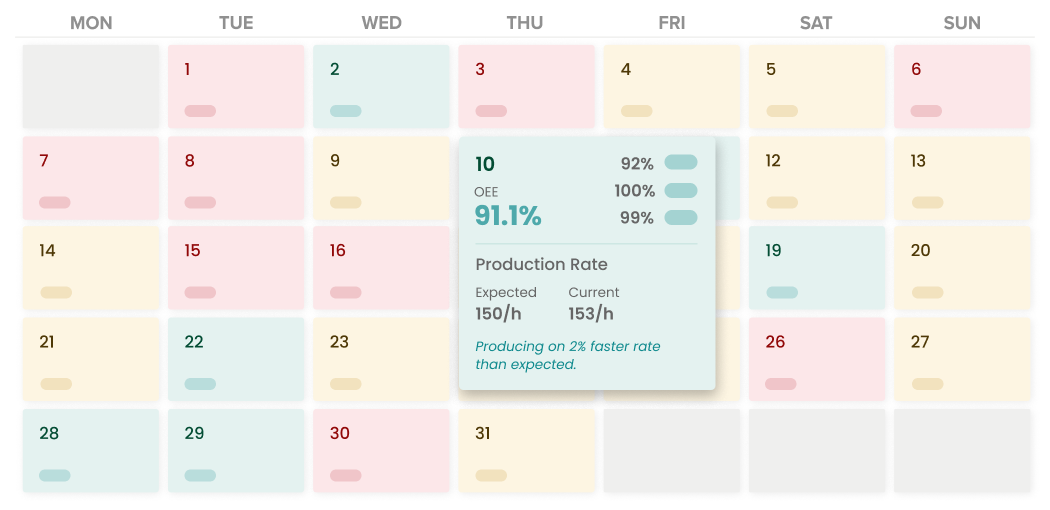
The Manufacturing Sector Is a Fast-Paced and Dynamic Environment
The manufacturing sector is a dynamic environment. There are many factors that impact production, and the pace of business can be fast-paced. Shift managers need to be able to make quick decisions based on the information they've received from their teams.
As a result, many companies have turned to automated weekly reports as a way of improving shift manager performance in this area.
Automated weekly reports are a great way to give shift managers the information they need, when they need it. They can be customized based on your company’s needs and requirements, which means that you don't have to worry about them becoming obsolete over time.
Automated Weekly Reports Help Shift Managers Focus on What Matters Most
Shift managers require access to real-time information in order to make quick, informed decisions. Modern MOM (manufacturing operations management) and MES systems provide this kind of information with automated weekly reports that provide a quick overview of the utilization of machines and help identify areas where improvements can be made.
Modern MOM (manufacturing operations management) and MES systems provide this kind of information with automated weekly reports that provide a quick overview of the utilization of machines and help identify areas where improvements can be made. A report like this can be used to identify any bottlenecks in production and make adjustments to keep productivity levels high.
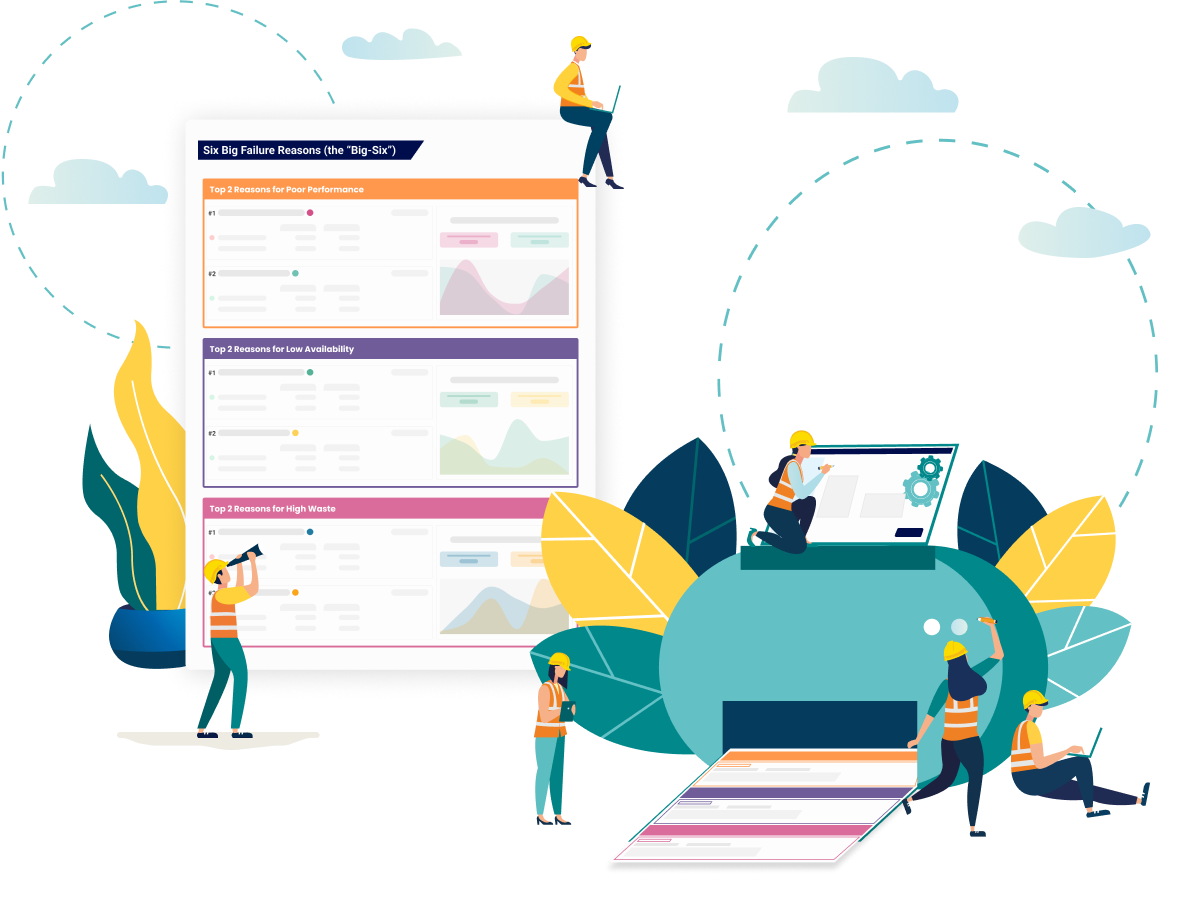
Weekly deep reports
Quick overview of the utilization of machines
Automated weekly reports provide a quick overview of the utilization of machines and help identify areas where improvements can be made. They're quick and effortless to generate, so there's no reason not to use them.
It is a great way to measure your shop’s efficiency and profitability. They can also help you identify areas where improvements can be made so that your business runs more smoothly.
The reports are quick and effortless to generate, so there’s no reason not to use them!
Shift managers require access to real-time information to make quick, informed decisions
Shift managers are responsible for running the day-to-day operations of their shift, and they need to make quick decisions on the fly. They must also make informed decisions based on reliable data.
If you've ever worked in a restaurant, then you know how quickly things can go wrong--and how much time and effort it takes to fix them. Shift managers need access to real-time information so they can manage their staff effectively and respond quickly when something goes awry.
Shift managers also need access to real-time information so they can manage their staff effectively and respond quickly when something goes away.
Manual reporting is time-consuming, error-prone and often inaccurate
Shift managers spend hours on the phone or in person with their team members to collect data from each shift that has occurred. This process can be tedious and prone to errors as well as being difficult for managers who are not trained in data collection methods.
Shift managers are often required to collect data from their team members, which can be difficult and costly. Managers may spend hours on the phone or in person with their team members collecting information about each shift that has occurred. This process is tedious and prone to errors as well as being difficult for managers who are not trained in data collection methods.
The data collected from the system is often not accurate. Shift managers may spend hours on the phone or in person with their team members collecting information about each shift that has occurred. This process can be tedious and prone to errors as well as being difficult for managers who are not trained in data collection methods
Automated weekly reports provide a clear picture of production line utilization
You're a shift manager in the manufacturing sector, and you want to know how your production line is doing. You have access to all kinds of data on your machines, but it can be difficult to make sense of it all.
Automated weekly reports help you focus on what matters most: whether or not each machine is being used effectively and efficiently. Automated weekly reports provide a quick overview of the utilization of machines and help identify areas where improvements can be made.
Some examples of the kinds of data you can use to create automated weekly reports include:
- Number of hours each machine was in use during the week.
- Number of hours each operator spent on each machine.
- How many units were produced by each machine during the week?
- What percentage of time was each machine in use?
- The amount of scrap each machine produced during the week.
- Whether or not machines were operating at maximum capacity.
Automated weekly reports can give you a quick snapshot of your production line and help identify areas where improvements can be made. They can be used to track machine utilization, operator productivity, and scrap rates. Automated reports are especially useful in manufacturing settings where human oversight is costly.

Weekly reporting with smart devices
Conclusion
In short, automated weekly reports help shift managers focus on what matters most. They provide a quick overview of production line utilization and identify areas where improvements can be made, saving time and money in the long run.